产品详情
产品名称PGP Antibody
克隆号4G2
来源种属Mouse
纯化ProA affinity purified
应用WB, IP, IF, IHC(P)
种属反应性Human;Mouse;Rat
免疫原描述peptide
标记Unconjugated
别名PGP antibody PGP_HUMAN antibody PGPase antibody Phosphoglycolate phosphatase antibody
数据库入口号Swiss-Prot#:A6NDG6
Uniprot
A6NDG6
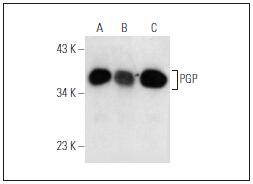
计算分子量34kDa
配方1*TBS (pH7.4), 1%BSA, 40%Glycerol. Preservative: 0.05% Sodium Azide.
保存Store at 4˚C
应用详情
WB: 1:100-1:1,000
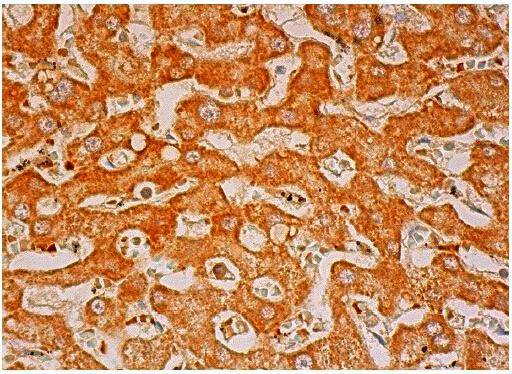
IHC: 1:50-1:500
IP: 1-2 μg per 100-500 μg of total protein(1 ml of cell lysate)
PGP (phosphoglycolate phosphatase), also known as PGPase, is a 321 amino acid enzyme belonging to the HAD-like hydrolase superfamily and the CbbY/cbbZ/gph/yieH family. PGP is detected in all tissues including red cells, lymphocytes and cultured fibroblasts, with highest activity found in skeletal and cardiac muscle. PGP is considered an important regulatory enzyme on oxygen transport by indirectly affecting the level of red cell 2,3-diphosphoglycerate. The gene encoding PGP maps to human chromosome 16, which encodes over 900 genes and comprises nearly 3% of the human genome. The GAN gene is located on chromosome 16 and, with mutation, may lead to giant axonal neuropathy, a nervous system disorder characterized by increasing malfunction with growth. The rare disorder Rubinstein-Taybi syndrome is also associated with chromosome 16, as is Crohn’s disease, which is a gastrointestinal inflammatory condition.



 Yes
Yes